Introduction
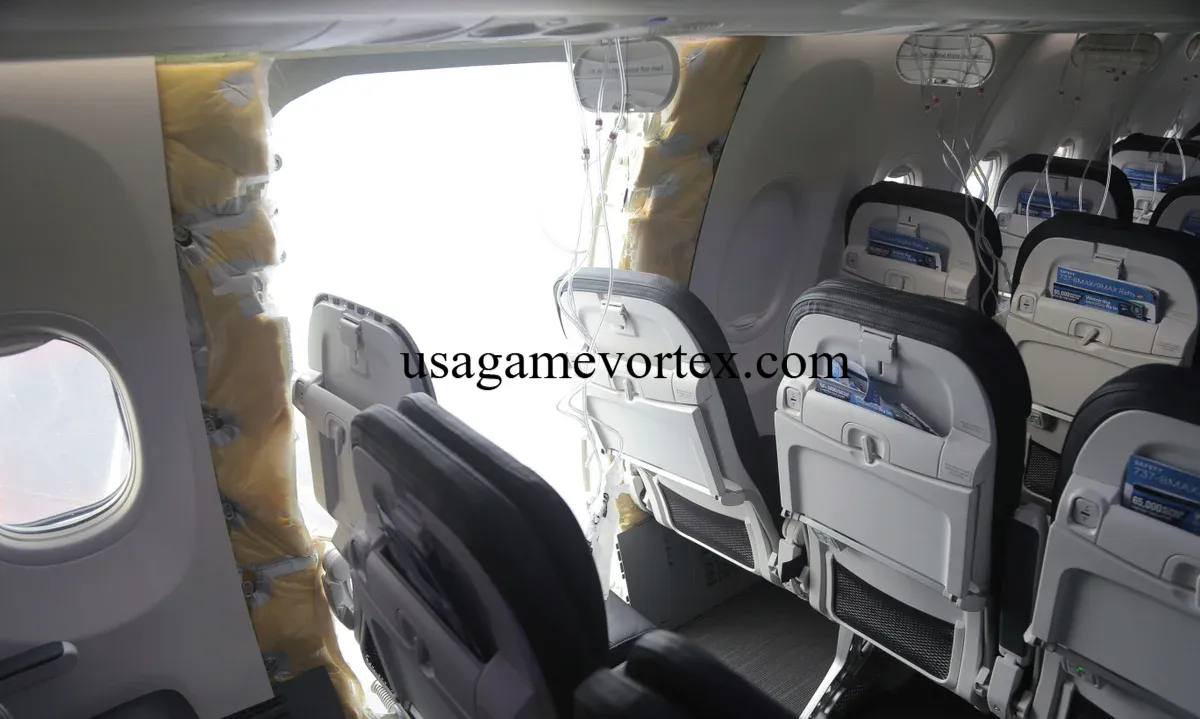
Imagine you’re 16,000 feet in the air, relaxing in your seat, when you suddenly hear a deafening pop. A hole tears open in the side of the plane. Oxygen masks drop from the ceiling. Passengers scream and grab each other, convinced they are about to die. This is not a movie scene. This happened in real life on January 5, 2024, aboard Alaska Airlines Flight 1282. And now, it has triggered one of the most dramatic Alaska Airlines passenger lawsuit stories in modern aviation history.
This article breaks down everything you need to know. You will learn what happened on that terrifying flight, why passengers filed lawsuits, who they are suing, what they are claiming, and how the legal process works. Whether you are a frequent flyer or simply following this story, you deserve the full picture.
What Is the Alaska Airlines Passenger Lawsuit?
The Alaska Airlines passenger lawsuit refers to a wave of legal claims filed by passengers, flight crew, and the captain of Flight 1282 against Boeing, Alaska Airlines, and fuselage supplier Spirit AeroSystems. These lawsuits emerged after a door plug blew off a Boeing 737 MAX 9 aircraft mid-flight, causing explosive decompression and sending passengers into a state of pure terror.
Multiple lawsuits were filed separately and are currently at different stages in court. Some have already reached settlements. Others are scheduled for trial. The legal storm surrounding this incident is far from over. Sourceoregonlive
Alaska Airlines Flight 1282 Incident Explained
What Exactly Happened?
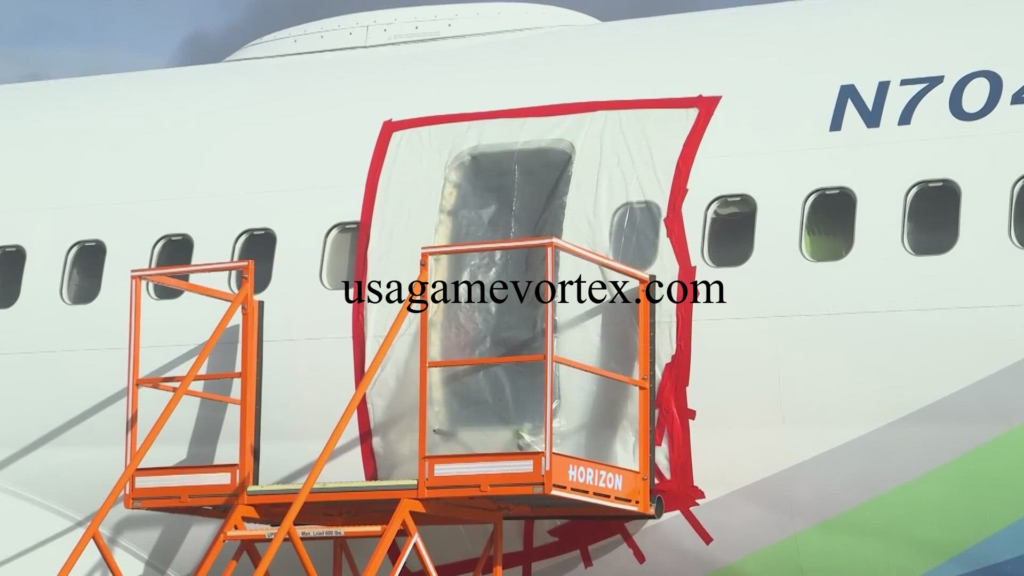
On January 5, 2024, Alaska Airlines Flight 1282 departed Portland International Airport heading to Ontario, California. Just minutes after takeoff, a door-sized panel known as a door plug blew off the left side of the Boeing 737 MAX 9 aircraft at approximately 16,000 feet. The explosive decompression tore a hole in the fuselage. Items including seat headrests and even a passenger’s phone were sucked out. Oxygen masks deployed across the cabin. Passengers grabbed each other and some made frantic calls to their loved ones to say goodbye.
The pilots managed to turn the plane around and land safely back in Portland. All 171 passengers and 6 crew members survived. Seven passengers and one flight attendant reported minor injuries immediately after the incident.
What Did the Investigation Find?
The National Transportation Safety Board (NTSB) launched a full investigation. The NTSB’s final report concluded that the probable cause was a systemic failure in Boeing’s manufacturing process, combined with ineffective oversight by the Federal Aviation Administration (FAA). Investigators found that four critical bolts meant to hold the door plug in place were removed during a production fix at the factory and were never reinstalled. Boeing had sought to correct a manufacturing error made by Spirit AeroSystems involving improperly installed rivets. During that process, Boeing failed to follow its own documentation and inspection procedures. The four retention bolts were simply never put back.
Additionally, the NTSB found that some oxygen generators on the plane were defective. Alaska Airlines also admitted that it had received three autopressure system warning alerts for that specific aircraft before the January 5 flight. The airline had even restricted the plane from extended range operations as a precaution but had not grounded it.
Who Is Being Sued?
Boeing
Boeing is the primary target of most lawsuits. Passengers, flight attendants, and the captain of Flight 1282 all name Boeing as a defendant. The company manufactured the 737 MAX 9 and is accused of negligence in its production process, failure to follow safety procedures, and attempting to shift blame onto the flight crew after the incident.
Alaska Airlines
Alaska Airlines faces legal claims as well. Attorneys argue that the airline had knowledge of pressurization warning alerts before the fateful flight and chose to keep the aircraft in service rather than ground it for inspection.
Spirit AeroSystems
Spirit AeroSystems, the company that supplies fuselages for the 737 MAX, is also named in several lawsuits. Investigators found that Spirit workers had improperly installed rivets and concealed the errors with paint instead of properly repairing them.
What Are Passengers Claiming?
Passengers are claiming a wide range of damages in the Alaska Airlines passenger lawsuit cases. Here is what their legal complaints cover:
Physical injuries: Several passengers reported hearing damage caused by the explosive decompression. Others suffered minor physical injuries during the chaos onboard.
Severe emotional distress: Many passengers describe lasting trauma, anxiety, and psychological harm. Some have struggled to return to daily life or board a plane again.
Intentional infliction of emotional distress: A Washington Superior Court judge refused Boeing’s attempt to dismiss this specific claim from 38 passengers. The court ruled that Boeing’s conduct could be considered reckless and extreme enough to meet the legal standard for outrage.
Fraud claims: A group of 37 passengers sought to add fraud allegations, claiming Boeing defrauded the FAA and the Department of Justice with false promises to overhaul its safety culture and quality control.
Punitive damages: Some lawsuits, including the landmark $1 billion case filed by three Portland passengers, specifically seek punitive damages to hold companies accountable for what attorneys called systemic risks to the traveling public.
Scapegoating: Captain Brandon Fisher, the pilot who safely landed the plane, sued Boeing for $10 million. His lawsuit claims Boeing tried to shift blame onto him and his first officer by implying the crew had made mistakes. The lawsuit states that instead of being praised as heroes, the pilots were unfairly targeted by Boeing’s legal defense strategy.
Key Lawsuit Developments and Settlements
The $1 Billion Settlement
Three passengers who originally filed a $1 billion lawsuit against Boeing and Alaska Airlines reached a private settlement. The case was dismissed on July 7, 2025, with prejudice, meaning those plaintiffs cannot refile the same claims. The settlement amount was not disclosed.
Flight Attendant Lawsuits
Four flight attendants from Flight 1282, Adam Fisher, Michelle Hughes, Steven Maller, and Christine Vasconcellos, filed individual lawsuits against Boeing in August 2025. Each claimed physical and mental injuries, severe emotional distress, and other financial damages resulting from the door plug blowout.
Flight attendant Michelle Hughes said the incident “profoundly impaired my personal and professional life.” Another attendant, Christine Vasconcellos, said, “This event is something that never should have happened. I’m committed to seeking justice, accountability and making the sky a safe place.”
Captain Brandon Fisher’s Lawsuit
Filed in December 2025 in Oregon’s Multnomah County, Captain Fisher’s $10 million lawsuit accuses Boeing and Spirit AeroSystems of reputational harm and emotional distress. He alleges that Boeing’s defense strategy against passenger claims wrongfully painted him as a scapegoat for the manufacturer’s own failures.
Upcoming Trials
Multiple group lawsuits remain active. One lawsuit representing 51 passengers and their families is scheduled for trial in January 2026. A second case representing 35 passengers is set for March, and a third involving seven people including three children is scheduled for September.
How Does an Airline Passenger Lawsuit Work?
If you are wondering how the legal process actually works in cases like this, here is a straightforward breakdown:
Step 1: File a complaint. Passengers or their attorneys file a formal complaint in civil court, naming the defendants and explaining the alleged harm.
Step 2: Discovery phase. Both sides gather evidence. In the Alaska Airlines cases, the NTSB investigation had to conclude before full discovery could begin, which delayed several lawsuits.
Step 3: Motions. Defendants often file motions to dismiss claims. In this case, Boeing tried to dismiss outrage claims and failed. Courts decide whether enough evidence exists to proceed.
Step 4: Settlement or trial. Many aviation lawsuits settle before trial. Some passengers in this case already settled. Others chose to go to trial to seek full accountability.
Step 5: Verdict or appeal. If a case reaches trial, a judge or jury decides the outcome. Either side can appeal the decision.
Aviation lawsuits often become mass tort claims when many passengers from the same flight share similar injuries and claims. These are handled together to make the process more efficient.
Why This Case Matters Beyond the Courtroom
This is not just a story about one flight or one lawsuit. It is about whether major corporations can be held accountable when their negligence puts hundreds of lives at risk. Boeing admitted to the NTSB that the four bolts were missing. Its defense in court, attempting to blame the crew and deny liability, struck many observers as tone-deaf given what passengers endured.
Attorneys representing dozens of passengers have called Boeing’s courtroom strategy “delay, deny and defend.” The phrase captures a frustration many feel when large companies slow-walk accountability after catastrophic failures.
For you, as a traveler, this case raises important questions about manufacturing oversight, airline maintenance, and whether the regulatory system truly protects the flying public.
Conclusion
The Alaska Airlines passenger lawsuit is one of the most significant aviation legal battles in recent American history. A door plug that flew off at 16,000 feet exposed deep failures in Boeing’s manufacturing process, Spirit AeroSystems’ production work, Alaska Airlines’ maintenance decisions, and FAA oversight. Passengers who thought they were going to die that night are now demanding justice in court, and some have already received it.
Multiple lawsuits are still active, with trials approaching in 2026. The outcome of these cases could reshape how airlines and manufacturers are held accountable for passenger safety for years to come.
What do you think should happen when a corporation’s negligence puts hundreds of lives at risk? Share this article and join the conversation.
Visit…
Frequently Asked Questions (FAQs)
What was the Alaska Airlines passenger lawsuit about? It was a series of lawsuits filed by passengers, crew members, and the pilot of Flight 1282 after a door plug blew off the Boeing 737 MAX 9 mid-flight on January 5, 2024, causing explosive decompression and severe emotional trauma.
Who are passengers suing in the Alaska Airlines lawsuit? Passengers are primarily suing Boeing, the aircraft manufacturer. Alaska Airlines and Spirit AeroSystems, the fuselage supplier, are also named as defendants in several cases.
What did the NTSB conclude about Flight 1282? The NTSB concluded that four retention bolts meant to hold the door plug in place were removed during a factory repair and were never reinstalled. It blamed systemic failures in Boeing’s manufacturing process and ineffective FAA oversight.
Has any passenger received compensation? Yes. Three passengers who filed a $1 billion lawsuit reached an undisclosed settlement with Boeing and Alaska Airlines. The case was dismissed in July 2025.
How much is the Alaska Airlines pilot suing for? Captain Brandon Fisher, who safely landed Flight 1282, filed a $10 million lawsuit against Boeing and Spirit AeroSystems in December 2025, alleging Boeing tried to blame him for the incident.
Did Alaska Airlines know about problems before the flight? Alaska Airlines admitted it had received three autopressure system warning alerts for that aircraft before the January 5 flight but did not ground the plane. The airline restricted it from extended range operations as a precaution.
What did passengers experience during the incident? Passengers heard a loud pop, saw a hole open in the fuselage, felt sudden decompression, and had oxygen masks drop in front of them. Many feared they were going to die and attempted to contact loved ones to say goodbye.
Are there still active lawsuits from Flight 1282? Yes. Multiple lawsuits remain active, with trials scheduled throughout 2026 for groups of 51, 35, and 7 passengers respectively.
What is a door plug on an airplane? A door plug is a panel that fills a space in an aircraft fuselage. On the Boeing 737 MAX 9, some airlines use that space as an emergency exit door. For airlines that do not need it, a plug is installed to seal the space.
Can passengers sue airlines for emotional distress? Yes. Courts in this case have already ruled that claims for intentional infliction of emotional distress and outrage can proceed against Boeing and Alaska Airlines. A Washington Superior Court judge rejected Boeing’s motion to dismiss those claims.
Read More…
Category: Aviation News / Legal Affairs / Consumer Rights
Tags: Alaska Airlines lawsuit, Flight 1282, Boeing 737 MAX 9, door plug blowout, aviation safety, passenger rights, Boeing lawsuit, Spirit AeroSystems, NTSB investigation, airline negligence, aviation litigation, emotional distress lawsuit, plane safety, Brandon Fisher lawsuit
Author Bio: James Whitfield is an aviation and legal affairs writer with over eight years of experience covering airline incidents, passenger rights, and corporate accountability. He has contributed to several aviation and consumer safety publications and holds a journalism degree from the University of Washington. James is passionate about translating complex legal and aviation stories into clear, accessible content for everyday readers.