
Introduction
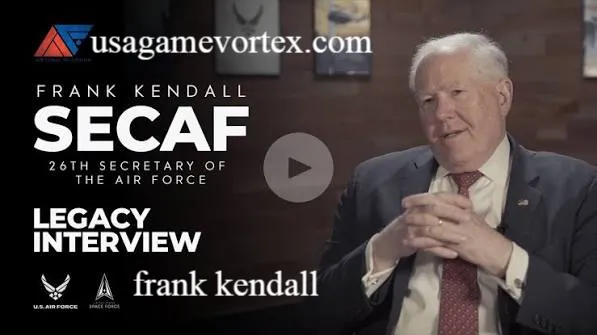
Frank Kendall is a prominent figure in U.S. defense and aerospace policy, with a career spanning decades of work on national security, military technology, and defense strategy. His experience in government and defense leadership placed him at the center of major decisions shaping the future of the U.S. Air Force and the broader military landscape.
From overseeing modernization efforts to addressing emerging challenges in air and space warfare, Kendall’s career reflects the evolving priorities of American defense. In this guide, we’ll explore Frank Kendall’s background, career, leadership, major achievements, and lasting Air Force legacy, providing a clear look at why his name remains important in modern U.S. defense policy.
Who Is Frank Kendall?
If you follow defense news, you have probably come across the name Frank Kendall at some point. He is one of the most experienced figures in American national security, someone who has spent more than five decades working across engineering, law, and government service. You might know him best as the 26th Secretary of the Air Force, but his story goes much deeper than that single title.
In this article, we will walk through who Frank Kendall is, where he came from, what he accomplished while leading the Department of the Air Force, and why he continues to show up in headlines even after leaving office. Whether you are researching him for a school project, following defense policy, or just curious after seeing his name in the news, this guide will give you a clear and complete picture.
Frank Kendall’s Background
Frank Kendall was born on January 26, 1949, in Pittsfield, Massachusetts. From an early age, his path pointed toward service and problem solving, and that combination shaped nearly everything he did afterward.
Education That Built a Foundation
You cannot really understand Kendall’s career without looking at his education first. He is genuinely one of the most academically decorated leaders to hold a senior Pentagon role. Here is a quick rundown:
- Bachelor of Science from the United States Military Academy at West Point, where he graduated in 1971 as a Distinguished Graduate
- Master of Science from the California Institute of Technology
- MBA from Long Island University
- Juris Doctor from Georgetown University
That mix of engineering, business, and law gave him a rare skill set. He could read a technical spec sheet, negotiate a contract, and understand the legal implications all at once. source: The Roosevelt Group
Military and Early Career
Kendall served 11 years as an active duty Army officer, including time in Germany and a stretch teaching engineering at West Point. After leaving active duty, he stayed connected to the military through the Army Reserve, eventually retiring as a lieutenant colonel.
He then moved into civil service as a systems engineer working on missile defense programs. By 1986 he had become Assistant Deputy Under Secretary for Strategic Defense Systems, a role that put him firmly on the path toward senior Pentagon leadership. Along the way he also worked in the private sector, serving as vice president of engineering at Raytheon, giving him firsthand experience with how defense contractors operate.
Government Service Before the Air Force
Long before he became Secretary of the Air Force, Kendall built a reputation as a fixer for troubled weapons programs. From 2011 to 2017, he served as Under Secretary of Defense for Acquisition, Technology and Logistics under President Obama. In that role he oversaw more than 50 major defense programs and pushed the Better Buying Power initiatives, which were designed to cut waste and improve how the Pentagon spent taxpayer money. His work earned him recognition as Person of the Year by Aviation Week and Space Technology in 2016 for his cost control efforts.
Leadership at the U.S. Air Force
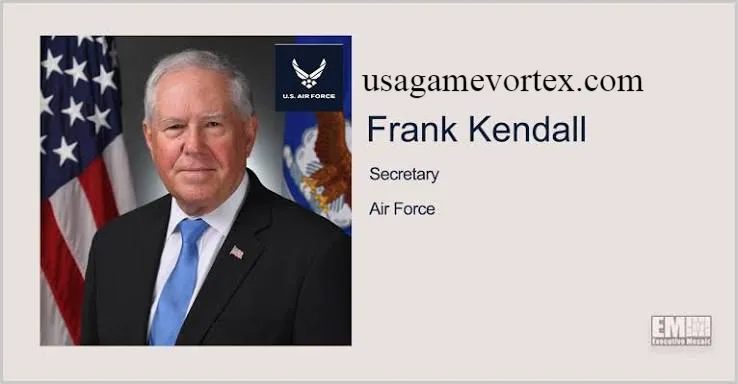
Kendall was sworn in as the 26th Secretary of the Air Force on July 28, 2021, under President Biden, and he held that role until January 20, 2025. During those roughly three and a half years, he was responsible for organizing, training, and equipping both the Air Force and the Space Force.
To put the scope of that job in perspective, you are talking about:
- An annual budget of more than 200 billion dollars
- Oversight of more than 600,000 airmen, guardians, and civilian employees
- Responsibility for global air and space operations supporting combatant commanders worldwide
That is an enormous amount of responsibility, and it required someone who could balance big picture strategy with day to day management. Kendall brought decades of acquisition experience into the role, which shaped much of what came next.
Major Policies and Priorities
Kendall’s tenure was defined by a clear sense of urgency around modernization. He often spoke about the need to prepare the Air Force and Space Force for what he called an era of great power competition, meaning increased rivalry with countries like China and Russia.
Modernization and Technology
You could see this priority show up in several major efforts:
- Advancing the Next Generation Air Dominance program, aimed at developing future fighter capabilities
- Pushing forward collaborative combat aircraft, essentially drones designed to fly alongside piloted jets
- Investing heavily in space based capabilities through the Space Force
- Focusing on nuclear modernization to keep deterrence credible
Reoptimizing the Department
One of the more structural changes under Kendall was what officials called reoptimizing the Department of the Air Force. This was an internal reorganization meant to streamline decision making and better align resources with the challenges of modern warfare. It was not the flashiest headline, but it reflected his engineering background, always looking for ways to make the system run more efficiently.
Key Decisions and Achievements
So what did Frank Kendall actually accomplish? A few things stand out.
He secured tens of billions of dollars in increased funding for the department, which is no small feat given how competitive the defense budget process can be. He also kept acquisition reform front and center, applying lessons from his earlier Pentagon career to the specific needs of the Air Force and Space Force.
Kendall was known for being hands on with technical details while still trusting his team. As he put it in one interview, he tried to step back from acquisition decisions himself and let his acquisition executives, Andrew Hunter and Frank Calvelli, handle that work directly. That kind of delegation, paired with his own deep expertise, became something of a signature leadership style.
A Notable Development After Leaving Office
Frank Kendall has stayed in the news even after his time as Secretary ended. In August 2026, the Department of Defense revoked his eligibility for access to classified information. The Pentagon alleged he made an unauthorized disclosure related to Air Force One’s capabilities to a media outlet. Kendall has pushed back on the claim, telling reporters he was careful not to disclose anything classified and that no one has told him specifically what he is accused of revealing. It is a reminder that even after leaving a senior role, decisions and controversies can follow a public figure for years.
Who is Frank Kendall?
He is a former Secretary of the Air Force, an engineer, a lawyer, and a longtime national security official with more than 50 years of experience across government, industry, and the military.
What did Frank Kendall do?
He led the Department of the Air Force, managing its budget, personnel, and strategic priorities, while also spending years earlier in his career reforming how the Pentagon buys weapons systems.
What was Frank Kendall’s role in the Air Force?
As Secretary, he was the civilian leader responsible for organizing, training, and equipping the Air Force and Space Force, and for setting policy direction for both branches. source: LinkedIn · Frank Kendall
When was Frank Kendall Secretary of the Air Force?
He served from July 28, 2021, to January 20, 2025, under President Joe Biden.
What is Frank Kendall known for?
He is best known for pushing Air Force and Space Force modernization, reforming defense acquisition, and steering the department through a period of intense focus on great power competition.
Final Thoughts
Frank Kendall’s career tells the story of someone who spent decades preparing for one of the most demanding jobs in national defense. From his early days as an Army officer to his final stretch leading the Air Force and Space Force, his focus never really wavered: build a stronger, more efficient, more modern military. Even now, with new developments still making headlines, his name remains closely tied to conversations about American defense policy.
What do you think about Frank Kendall‘s approach to modernization and acquisition reform? If you found this breakdown useful, consider sharing it with someone who is trying to make sense of who runs the Pentagon and why it matters.
Frequently Asked Questions
Who succeeded Frank Kendall as Secretary of the Air Force?
Troy Meink succeeded him in the role.
Where did Frank Kendall go to college?
He attended West Point for his undergraduate degree, then earned graduate degrees from Caltech, Long Island University, and Georgetown University.
Did Frank Kendall serve in the military?
Yes, he served 11 years as an active duty Army officer and later retired as a lieutenant colonel from the Army Reserve.
What did Frank Kendall do before becoming Secretary of the Air Force?
He served as Under Secretary of Defense for Acquisition, Technology and Logistics from 2011 to 2017 and worked in the private sector at Raytheon.
Is Frank Kendall still involved in defense policy?
Yes, he currently works as an independent consultant and is a senior fellow at the Center for American Progress.
Why was Frank Kendall in the news recently?
In 2026, the Pentagon revoked his access to classified information over an alleged unauthorized disclosure related to Air Force One.
What is the Department of the Air Force responsible for?
It oversees both the United States Air Force and the United States Space Force.
What is great power competition?
It refers to the ongoing strategic rivalry between the United States and major powers like China and Russia, a theme that shaped much of Kendall’s policy focus.
About the Author: Awais khan I’m a defense and policy writer who focuses on breaking down complex national security topics into clear, readable explainers. I enjoy digging into the backgrounds of the people shaping American defense strategy and sharing what I learn in a way that actually makes sense to everyday readers.
email: johanharwen@314gmail.com
Author Name: Awais khan