Introduction
Have you ever seen a large, winged creature swoop across the evening sky and wondered what it actually was? Chances are you spotted a fruit bat. This gentle giant of the bat world often gets a bad reputation, yet it plays one of the most important roles in nature. In this guide, you will learn what a fruit bat really is, where it lives, what it eats, and why forests around the world depend on it. We will also answer common questions like whether fruit bats are dangerous and whether they can see in the dark. By the end, you will look at these flying mammals a little differently.
What Is a Fruit Bat?
A fruit bat belongs to a group of bats known as megabats. Unlike the tiny insect eating bats you might picture, fruit bats are much larger. Some species have a wingspan that stretches over five feet. source: Wikipedi
You may also hear people call them flying foxes because of their fox like faces. They have large eyes, a pointed snout, and soft fur. Most fruit bats do not use echolocation the way smaller bats do. Instead, they rely on strong eyesight and a sharp sense of smell to find food.
Here are a few quick facts about fruit bats:
- They belong to the family Pteropodidae.
- There are over 180 known species.
- They are found mostly in warm, tropical regions.
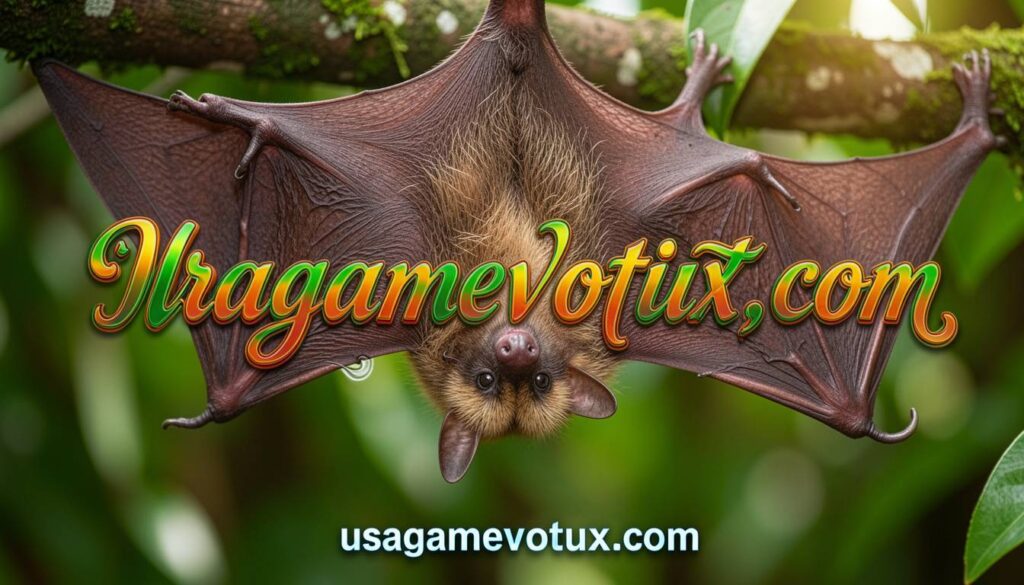
- Many species live in large colonies called camps.
Where Do Fruit Bats Live?
Fruit bats prefer warm climates with plenty of trees and fruit. You will find them across tropical and subtropical regions where food is available year round.
Fruit Bat Habitat Around the World
Fruit bats live on several continents, each with its own unique species. Their habitat choice depends heavily on climate and available vegetation.
- Africa hosts species like the straw colored fruit bat, known for traveling in massive groups.
- Asia is home to flying foxes that roost in mangroves and rainforests.
- Australia shelters several flying fox species that gather in noisy, crowded colonies.
- Pacific Islands support smaller fruit bat populations that rely on island fruit trees.
Fruit bats usually roost in trees during the day. They gather in groups that can range from a few dozen to thousands of bats. At dusk, they leave their roosts to search for food, often flying long distances in a single night.
What Do Fruit Bats Eat?
Despite their intimidating size, fruit bats have a surprisingly simple diet. They do not hunt insects or drink blood like some smaller bat species.
Fruit Bat Diet Explained
Fruit bats mainly eat soft, ripe fruit. They also enjoy nectar, pollen, and flowers when fruit is scarce. Some of their favorite foods include:
- Mangoes
- Bananas
- Figs
- Guavas
- Wild berries
They locate food using smell rather than sound. Once they find a fruit tree, they often squeeze the pulp to extract juice and then spit out the pulp and seeds. This habit, as small as it sounds, actually helps forests thrive, which we will explain shortly.
I once watched a group of flying foxes feed on a fig tree at sunset, and it was fascinating how quietly they worked despite their size. Their gentle feeding style shows just how misunderstood these animals really are.
Are Fruit Bats Dangerous to Humans?
This is one of the most searched questions about fruit bats, and the honest answer is not really. Fruit bats are shy animals that avoid direct contact with people. They do not attack humans and prefer to keep their distance.
However, like most wild animals, they can carry diseases. It is best to avoid touching a fruit bat, especially if you find one injured or on the ground. If you ever need to handle one, always contact a wildlife professional instead of doing it yourself.
A few simple safety tips include:
- Never touch a fruit bat with bare hands.
- Keep pets away from bat roosting areas.
- Report sick or injured bats to local wildlife services.
With basic precautions, fruit bats pose very little risk to humans.
Can Fruit Bats See in the Dark?
Yes, fruit bats actually have excellent night vision. Unlike smaller bats that depend on echolocation, most fruit bats rely on their large eyes to navigate in low light.
Their eyesight, combined with a strong sense of smell, helps them find fruit trees even in near total darkness. This is why the phrase blind as a bat does not really apply to fruit bats at all. Their vision is sharp and well adapted to nighttime foraging.
How Fruit Bats Help Forests Grow
Fruit bats are often called nature’s gardeners, and for good reason. Their feeding habits directly support plant growth across entire ecosystems.
Fruit Bat Pollination and Seed Dispersal
As fruit bats fly from tree to tree, pollen sticks to their fur and gets carried along. This process helps pollinate many tropical plants, some of which rely almost entirely on bats for reproduction.
Seed dispersal works in a similar way. When fruit bats eat fruit, they often drop seeds far from the original tree. Some seeds also pass through their digestive system and get deposited elsewhere through droppings. This spreads plant life across wide areas and helps forests regenerate naturally.
Some benefits fruit bats provide to forests include:
- Faster forest regrowth after damage or deforestation
- Increased plant diversity across large areas
- Support for fruit bearing trees that humans also rely on
Without fruit bats, many tropical forests would struggle to maintain their natural balance.
Final Thoughts on Fruit Bats
Fruit bats may look intimidating at first glance, but they are gentle, fruit loving creatures that quietly support entire ecosystems. From pollinating flowers to spreading seeds across forests, their role in nature is far bigger than most people realize.
Next time you see a fruit bat gliding across the sky at dusk, take a moment to appreciate what it is really doing. Have you ever spotted a fruit bat near your home? Share your experience in the comments and pass this article along to anyone curious about these amazing flying mammals.
FAQS
1. What is a fruit bat also called?
A fruit bat is often called a flying fox because of its fox like face.
2. Do fruit bats bite humans?
Fruit bats rarely bite humans unless they feel threatened or are handled directly.
3. What is the main food of a fruit bat?
Fruit bats mainly eat ripe fruit, nectar, and pollen.
4. Do fruit bats use echolocation?
Most fruit bats do not use echolocation. They rely on strong eyesight and smell instead.
5. Where do fruit bats sleep during the day?
Fruit bats sleep upside down in trees, often in large groups called camps.
also read: usagamevortex.com
email: johanharwen@314gmail.com
Author Name: Our nature
About the Author : Our nature and wildlife writer has a deep passion for exploring lesser known animals and the vital roles they play in ecosystems around the world. With a focus on making science approachable, they enjoy turning research into simple, engaging stories that help readers connect with nature in everyday life.