Introduction
Your country just got knocked out. The final whistle blew, the dream is over, and now you are staring at three more weeks of World Cup football without a team to call your own.
So what do you do?
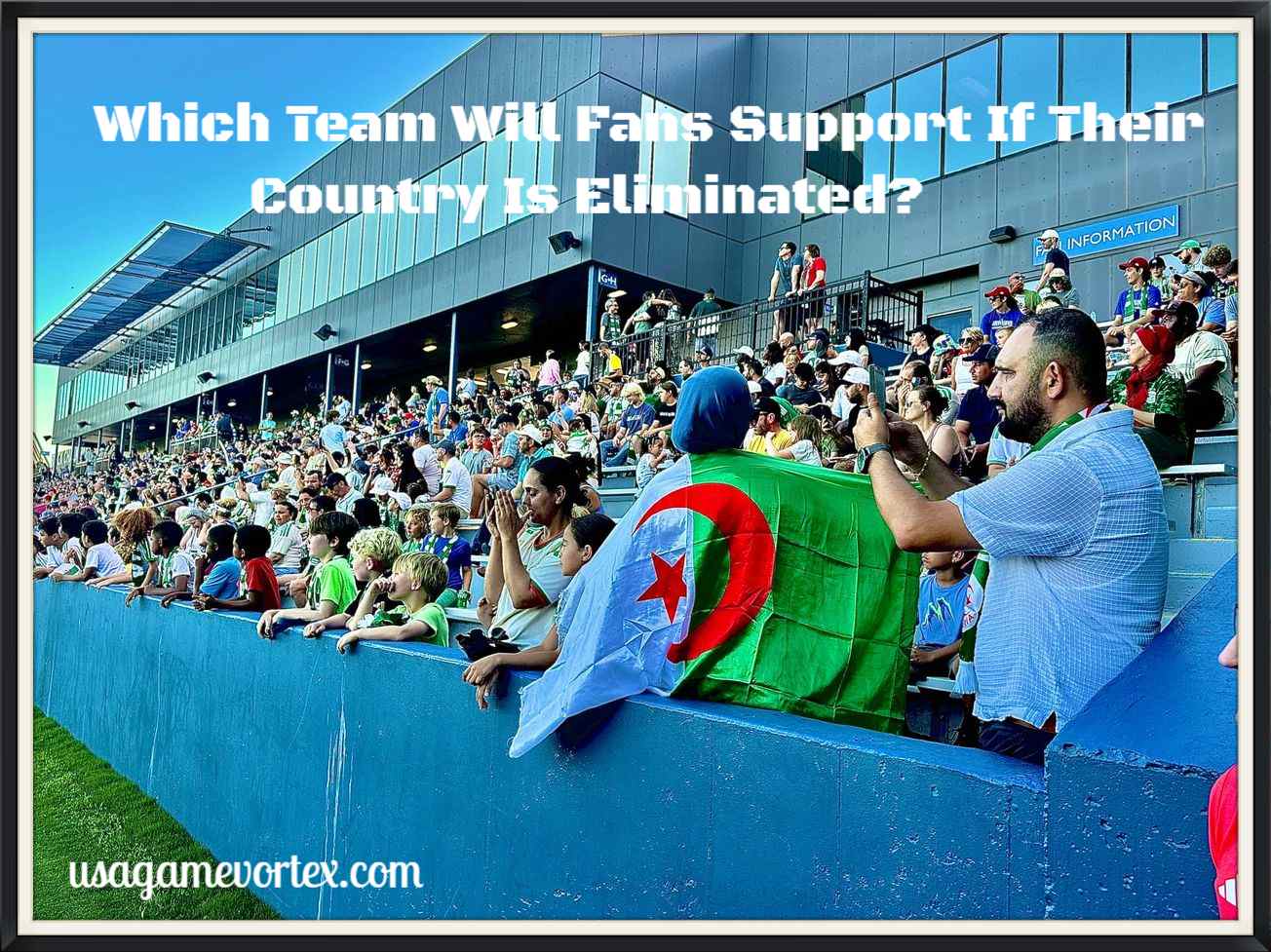
This is the question every fan faces at some point during a major tournament. Which team will fans support if their country is eliminated? It turns out the answer is not random at all. It follows patterns rooted in culture, rivalry, history, nostalgia, and even geography. Research shows that two thirds of football fans distribute their support across multiple teams during a World Cup. Only 24% stick to one team exclusively. That means most of you are already planning your backup team before your first one even exits.
This article breaks down the real factors that shape neutral fan loyalty, the teams drawing the most adopted support in 2026, and what this means for the atmosphere of the tournament.
Match Overview: The World Cup 2026 Fan Loyalty Landscape
The 2026 FIFA World Cup is the biggest edition in history. It features 48 teams spread across the United States, Canada, and Mexico. More teams mean more eliminations. More eliminations mean more displaced fans looking for a new home.
And the numbers are staggering. Research from For Soccer found that roughly 10% of fans engage with the tournament without any specific team allegiance at all. That is a massive floating audience.
The 2026 edition adds a fresh layer to this dynamic. Three host nations mean enormous local communities embedded throughout the tournament cities. A Japan match in Hawaii does not feel like a neutral game. An Ecuador game in New Jersey carries the weight of an entire diaspora.
When fans lose their team, they do not lose their love of football. They redirect it. The question is simply where it goes next.
Team Lineups: The Teams Attracting Adopted Fans
Not every team draws neutral support equally. Some nations function almost like default second teams for fans around the world. Here is how they line up.
Argentina: The Emotional Powerhouse
Argentina tops almost every fan poll heading into 2026. FOX Sports ran a bracket called the “2026 FIFA World Cup Ultimate Fanbase” and Argentina won the whole thing, defeating Brazil in the final. Which Team Will Fans Support If Their Country Is Eliminated? survey of 3,000 U.S. soccer fans also named Argentina’s fanbase the most attractive at the tournament.
The emotional intensity of Argentine supporters is unlike almost anything else in football. Their famous chants create an atmosphere that draws in neutrals naturally. This could also be Lionel Messi’s final World Cup, which adds a layer of historical weight that fans from eliminated nations find irresistible.
Brazil: The Carnival Choice
Brazil is the feel-good pick for fans who want pure entertainment. Their samba-style support, the yellow shirts, the dancing, and the drums create what supporters and analysts alike describe as a carnival atmosphere. Watching Brazil in person remains a bucket list experience for many neutrals.
When fans from eliminated nations need a replacement, Brazil often becomes the obvious choice because the experience is genuinely fun. It feels less like watching a football match and more like attending a festival.
England: The Drama Option
England attracts fans who love tension, disappointment, and the eternal hope that this might finally be the year. Their attack in 2026 is one of the most fearsome in the entire tournament, with both Harry Kane and Jude Bellingham already among the goals.
England fans are passionate, loud, and deeply invested. Other neutral fans often get swept up in that energy. The “It’s Coming Home” narrative is also a genuine cultural moment that transcends football.
Mexico: The Home Crowd Advantage
Mexico is practically a host nation in spirit. With matches in Mexico City, Monterrey, and Guadalajara, and enormous Mexican communities across every major U.S. city, the atmosphere at their games already belongs to them. Green shirts will dominate city streets throughout the tournament.
When fans from Central and South American nations get eliminated, Mexico often becomes their natural regional choice.
Head-to-Head Record: Why Fans Switch Allegiance
Research on fan psychology reveals three main reasons people adopt a second team after elimination.
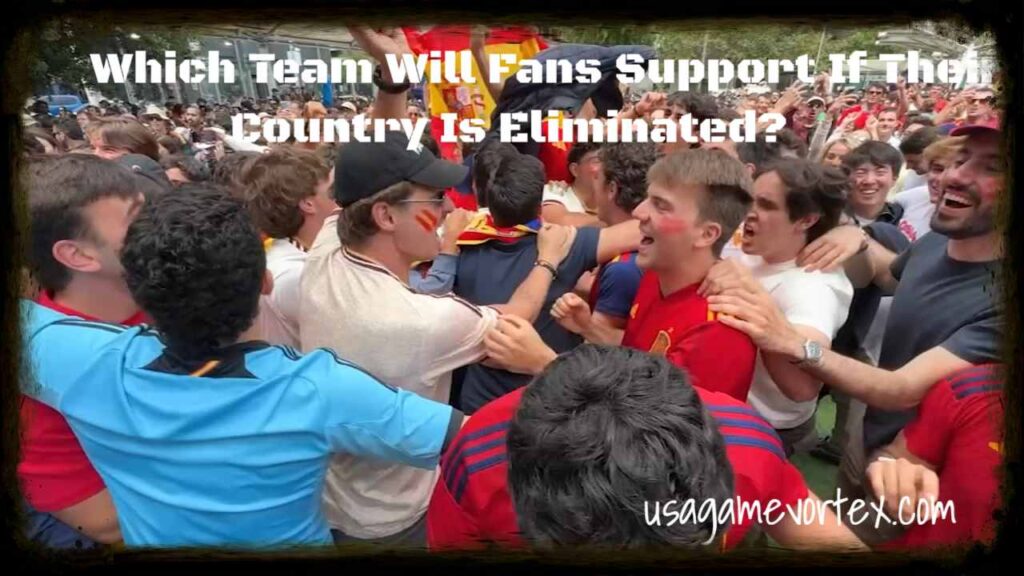
- Heritage ties. Many fans in countries like the United States already have cultural roots in another nation. Research found that more than a third of American fans actively seek a second country to support during the tournament. Heritage drives that search directly.
- Style of play. Neutral fans tend to follow attractive, attacking football. Brazil, Argentina, and Spain all draw adopted fans partly because they play football that is genuinely exciting to watch. Boring but effective teams rarely attract the same adoption.
- Shared rivalry with a common enemy. When Brazil got thrashed 7-1 by Germany in 2014 at home, Brazilian fans had to choose a side for the final. They chose Germany over Argentina. Rivalry matters more than logic in those moments.
Key Players Driving Neutral Fan Interest
Certain individual players act as magnets for adopted fan loyalty. You do not always support a country. Sometimes you just follow the best player still in the tournament.
Lionel Messi (Argentina): This may genuinely be his last World Cup. That alone draws millions of neutral fans to support Argentina simply to witness history.
Kylian Mbappe (France): France needed time to get going in 2026 but Mbappe is already sparking into form. When he hits his stride, neutral fans gravitate toward France because watching him play is simply unmissable.
Jude Bellingham (England): Young, dynamic, and already performing on the biggest stages. Bellingham captures the attention of fans who want to follow the next generation of world football.
Vinicius Jr. (Brazil): Already scoring and assisting in the group stage. Brazil’s attack is one of the most exciting in the tournament and Vinicius is the engine of it.
Recent Form: Fan Loyalty Trends in 2026
The 2026 World Cup has already shown us some fascinating neutral fan stories. When Brazil beat Haiti 3-0 in Philadelphia, supporters from all over the Americas filled the stands. The game felt like a regional celebration, not just a match.
Meanwhile, Haiti became the first team eliminated from the tournament. Haitian fans now face exactly this question. Who do they support? The natural pull will be toward other Caribbean and Latin American nations still in the competition.
Qatar is also in danger after losing heavily to Canada. If they exit, their fans face a similar choice within their region.
Early in a tournament, displaced fans tend to follow geographical neighbors. Later on, as the stakes rise, they tend to follow the best football and the biggest story.
Match Prediction: Which Teams Will Gain the Most Neutral Support
Based on current form, fan data, and World Cup patterns, here is a realistic prediction for which teams attract the most adopted fans as the tournament progresses.
Most adopted neutral team: Argentina. The Messi factor, the emotional fanbase, and their strong start all point toward Argentina absorbing millions of displaced fans as the knockout rounds arrive.
Second most adopted neutral team: Brazil. Their style, their culture, and their global fanbase make them the safe, enjoyable choice for fans who simply want to enjoy the rest of the tournament.
Surprise adoption pick: Morocco. They are the highest-ranked African fanbase in multiple 2026 polls. Fans from eliminated African nations and Muslim-majority countries often rally behind Morocco as a point of continental and cultural pride.
Atmosphere darling: Mexico. They may not win the tournament but they will create the loudest, most consistent crowd support of any team, especially in their home region matches.
Statistics: The Numbers Behind Fan Loyalty
The data tells a clear story about how neutral support works at a World Cup.
- 66% of fans support multiple teams during a World Cup, according to For Soccer research
- 24% of fans remain loyal to a single team only
- 10% engage with the tournament without any specific allegiance
- 93% of self-described patriotic fans say national pride matters deeply to their World Cup experience
- 40% of American patriotic fans support more than one team, reflecting the multicultural nature of U.S. fandom
- Over a third of American fans actively look to adopt a second country when the tournament begins
These numbers confirm that which team will fans support if their country is eliminated is not a niche question. It is the majority fan experience at every World Cup.
Final Verdict: What Actually Determines Your Second Team
After looking at the psychology, the data, and the on-pitch action, a clear picture emerges. Most fans follow one of four paths after elimination.
- The heritage path: You support the country your family originally came from
- The entertainment path: You follow the most exciting team still playing
- The star path: You follow the greatest player left in the tournament
- The rival path: You pick whoever can beat the team you dislike most
In 2026, Argentina and Brazil are set to absorb the largest share of displaced neutral fans. They always do. But with Mexico playing what feels like a home tournament, Which Team Will Fans Support If Their Country Is Eliminated? Morocco representing Africa and the Arab world with passion and quality, the neutral fan story of this tournament will be richer than ever.
The beautiful thing about football is this: the love does not stop just because your flag is no longer in the draw. You just find a new flag to wave for a while.
Which team will you support when your country is eliminated? Share this with your fellow fans and see how many agree.
Frequently Asked Questions
1. Which team do most neutral fans support at a World Cup? Argentina and Brazil consistently attract the most neutral fan support globally. Argentina won FOX Sports’ 2026 Ultimate Fanbase poll and draws millions of adopted fans through the Messi effect and passionate supporter culture.
2. Why do fans switch support after their team is eliminated? Fans switch for several reasons: heritage ties, attractive playing style, star players they admire, or regional solidarity with a nearby nation still in the competition.
3. Which team is most popular with neutral fans in 2026? Argentina leads most polls heading into 2026 as the most popular neutral choice, followed closely by Brazil and Mexico who benefit from enormous local communities across the host countries.
4. Do fans who lose their team usually stop watching the World Cup? Research shows the opposite. Most fans actively seek a new team to follow. About 66% of fans support multiple teams throughout a World Cup, meaning fan engagement rarely drops after elimination.
5. How do diaspora communities affect neutral fan support? Hugely. Large immigrant communities in host cities create home-like atmospheres for their origin countries. At the 2026 World Cup, hosted in the U.S., Canada, and Mexico, diaspora communities are reshaping which venues feel “neutral” and which feel like home games.
6. Is it common to support your team’s rival after they are eliminated? Yes, especially in closely matched regional rivalries. In 2014, Brazilian fans largely backed Germany over Argentina in the final after their own crushing semi-final exit.
7. Which eliminated nation’s fans are most likely to stay engaged in 2026? Haiti, as the first team eliminated, has passionate fans who are likely to pivot toward Brazil or another Latin American neighbor. Qatar fans may follow teams from the Arab world if they exit early.
8. Do fans follow individual players or teams as neutrals? Both. Players like Lionel Messi, Kylian Mbappe, and Jude Bellingham act as individual magnets for neutral fan attention, often pulling fans toward teams they would not otherwise follow.
also read: usagamevortex.com
email: johanharwen@314gmail.com
Author Name: Daniel Osei
About the Author : Daniel Osei is a football writer and sports culture analyst with over a decade of experience covering international tournaments, fan behavior, and the business of the beautiful game. He has written for several digital sports publications and covered two World Cups on the ground. When a tournament is on, you will find him at a watch party somewhere arguing about tactics and second teams.