Introduction
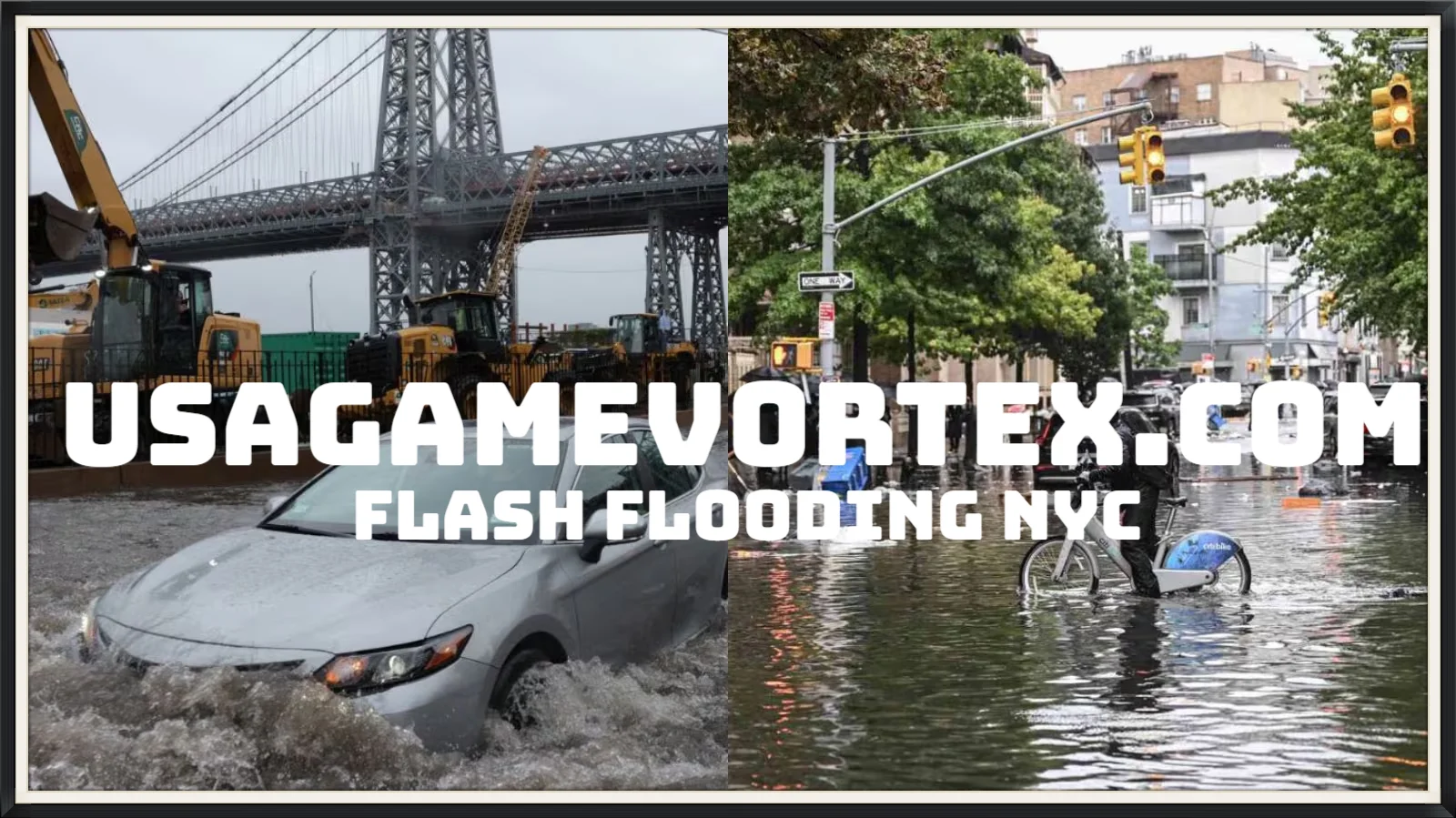
You step outside on a humid afternoon and the sky turns dark within minutes. Thirty minutes later, your street looks like a river. This is not a rare scene anymore. Flash flooding NYC events have become a regular part of life for many residents across the five boroughs.
You might remember the chaos from past storms, with subways flooded and cars stuck on highways. These events are not random bad luck. They follow patterns tied to climate change, aging infrastructure, and the city’s unique geography.
This article breaks down what flash flooding NYC really means for you. You will get the latest stats, learn which neighborhoods face the highest risk, understand why basement apartments are so dangerous, and walk away with practical safety steps. I will also explain what the city is doing to fix the problem and what experts say about the future.
What Flash Flooding NYC Actually Means
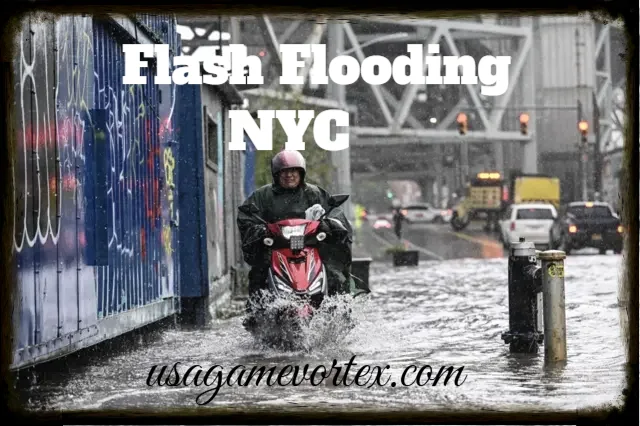
Flash flooding happens when heavy rain falls faster than the ground or drainage systems can absorb it. In a city covered mostly in concrete and asphalt, water has nowhere to go. It pools on streets, rushes into subway stations, and seeps into basement apartments within minutes.
You might think NYC floods only during hurricanes, but that is not true anymore. Flash flooding is now described by city officials as one of the fastest moving and most dangerous weather threats the city faces, especially for residents living in basement apartments. A single intense thunderstorm can now do the damage that once took a major storm system.
Why NYC Is So Vulnerable
New York City sits on a mix of old sewer infrastructure and dense pavement. Mayor Zohran Mamdani has stated that the city’s drainage system is only built to handle up to two inches of rain per hour. When storms drop more than that in a short window, the system simply cannot keep up.
This is exactly what happened during a major storm in May 2026. Parts of Queens saw over 2.2 inches of rain during that storm, while Brooklyn received just under 2 inches. The timing made it worse. A meteorologist with the National Weather Service explained that most of that rainfall hit within just 20 to 40 minutes, which caused the water to build up so fast.
Recent Flash Flooding NYC Stats You Should Know
Numbers tell the story better than words sometimes. Here are some of the most important recent stats tied to flash flooding NYC events.
- A May 2026 storm dumped roughly 2 inches of rain in under an hour across parts of Queens and Brooklyn, submerging multiple vehicles
- Some areas of Queens were hit with 2.75 inches of rain during the same storm, while wind gusts reached 60 miles per hour
- This event marked the first severe flash flooding episode of the year for the city, with floodwater reaching pedestrians knees in several spots
- Flash flooding nationwide is the number one cause of deaths associated with thunderstorms, claiming more than 140 lives each year in the United States
- City officials estimate that chronic tidal flooding will likely affect roughly 55 percent of the 86,000 housing units near Jamaica Bay
These numbers show a clear trend. Storms are dropping more rain in shorter windows, and the infrastructure built decades ago simply was not designed for this pace.
A Deadly Pattern Emerging
Sadly, recent flooding has not just caused property damage. Two people died in NYC when flash flooding filled basements stretching from Crown Heights in Brooklyn to Washington Heights in Upper Manhattan. One victim, a 39 year old man, died in a flooded basement in Crown Heights, while a 43 year old man was found dead inside a boiler room in Washington Heights.
I find this part of the story the hardest to read. These were not freak accidents in remote areas. They happened in ordinary homes, in rooms many of us would consider safe.
The Boroughs Hit Hardest
Flash flooding does not affect every part of the city equally. Some neighborhoods consistently take the worst hits.
Brooklyn and Queens Lead the Risk List
Storms have repeatedly produced localized flash flooding in Brooklyn and Queens, with rainfall rates reaching 1.5 to nearly 2 inches in a single hour. These two boroughs often see the fastest water buildup because of their mix of low lying streets and older drainage systems.
The National Weather Service has issued flood advisories covering Brooklyn, Staten Island, Queens, and Manhattan during recent storms. This shows that while certain spots get hit hardest, the danger spreads across nearly the entire city during major events.
Record Breaking Rainfall in Manhattan
Manhattan is not immune either. Central Park recorded its highest rainfall total in more than 100 years during one recent storm, while LaGuardia and Newark airports also broke their previous rainfall records. When even Central Park is breaking century old records, it tells you something has shifted in how these storms behave.
Why Basement Apartments Face the Biggest Danger
If you live in or know someone living in a basement apartment in NYC, this section matters the most. City officials specifically warn that basement apartments and below ground spaces are especially vulnerable, since they are typically the first places where water enters and can fill rapidly.
Here is why this happens.
- Water naturally flows downward, so below ground units fill first
- Many basement apartments have limited exits, making quick escape harder
- Power outages during storms can disable sump pumps right when they are needed most
- Some basement units are not legally registered, meaning residents may not get the same emergency alerts
City emergency officials describe flash flooding as something that can escalate from a minor nuisance to a life threatening danger within moments. That kind of speed leaves very little room for error.
What the City Is Doing About It
You might wonder if anyone is actually fixing this problem instead of just reacting to it. The answer is somewhat reassuring, though there is clearly more work ahead.
Emergency Alerts and Preparedness Campaigns
New York City Emergency Management has been actively reminding residents to prepare for flash flooding, particularly as warmer months approach. The agency encourages residents to sign up for Notify NYC, which offers special flood warnings designed specifically for people living in basement apartments.
NYCEM Commissioner Christina Farrell has stressed that rainstorms can feel routine but can turn deadly within moments, especially for basement apartment residents. The city has even rolled out a Spanish language podcast episode focused on flood preparedness tips, aiming to reach a wider range of residents.
Infrastructure Limitations Being Addressed
The mayor has been direct about the root cause. Mamdani explained that the storm which flooded parts of Brooklyn and Queens overwhelmed the city’s sewer system because the rainfall exceeded what the drainage network was built to handle. He personally toured flood damage in Hollis, Queens, following one of the major storms.
Long term fixes are not quick or cheap. Upgrading a sewer system built for a different climate era takes years of planning and funding. Until then, awareness and fast alerts remain the city’s first line of defense.
How to Protect Yourself During Flash Flooding NYC Events
You cannot stop a storm, but you can absolutely reduce your personal risk. Here are practical steps worth following.
Before a Storm Hits
- Sign up for Notify NYC alerts on your phone
- Keep a flashlight and portable charger ready in case of power loss
- Know two exit routes from your apartment, especially if you live below ground
- Move important documents and electronics off the floor during storm season
- Check weather alerts overnight, since many flash floods strike while people are asleep
During Active Flooding
- Avoid walking or driving through flooded streets, even if the water looks shallow
- Stay away from subway platforms if flooding has been reported nearby
- Move to higher ground immediately if water starts entering your home
- Never enter a flooded basement, since electrical hazards can be hidden underwater
After the Storm Passes
- Document any property damage with photos before cleanup begins
- Avoid using electrical appliances that got wet until they are professionally checked
- Report blocked storm drains to the city, since clearing them helps your block during the next storm
I always tell friends living in basement units that the few minutes spent signing up for alerts can genuinely make the difference between safety and disaster. It sounds simple, but so many Flash Flooding NYC people skip this step until after a storm already causes damage.
Common Questions About Flash Flooding NYC
Why is flash flooding getting worse in NYC?
Warmer air holds more moisture, which leads to heavier rainfall in shorter bursts. Combined with aging drainage systems built for older rainfall patterns, this creates more frequent and intense flash flooding NYC events.
Which areas of NYC flood the most?
Brooklyn and Queens tend to see the fastest and most severe flash flooding, though Manhattan and Staten Island have also experienced record breaking rainfall and flooding in recent storms.
Are basement apartments legal in NYC?
Many basement units operate without full legal registration. This can affect whether residents receive certain emergency notifications, which is why signing up for citywide alert systems independently matters so much.
How fast can flash flooding happen in NYC?
Extremely fast. Recent storms have dumped two or more inches of rain in under an hour, with most of that rainfall falling within just 20 to 40 minutes.
What should I do if my street is flooding?
Avoid walking or driving through the water. Move to higher ground, stay updated through emergency alerts, and avoid subway stations until officials confirm it is safe.
Does NYC have a flood warning system?
Yes. Notify NYC offers flood alerts, including special warnings aimed at residents in basement apartments who face higher risk during fast moving storms.
Is NYC’s sewer system being upgraded?
City officials have acknowledged that the current system cannot handle the heaviest modern storms. Long term infrastructure upgrades are part of ongoing discussions, though immediate solutions focus on alerts and preparedness.
Final Thoughts
Flash flooding NYC events are no longer rare exceptions. They are becoming a predictable part of the city’s storm season, driven by intense rainfall, outdated drainage systems, and risky living conditions in basement apartments. The recent stats make it clear that this is a citywide issue, not just a problem for one neighborhood.
The good news is that preparation genuinely helps. Signing up for alerts, knowing your exits, and staying informed during storm season can protect you and your family when the next downpour hits. Have you experienced flash flooding in your own neighborhood? Share your story or pass this guide along to someone who might need it before the next storm rolls in.
also read: usagamevortex.com
email: johanharwen@314gmail.com
Author Name: Sarah Mitchell
About the Author : Sarah Mitchell is a New York based content writer who covers city news, public safety, and urban living. She focuses on turning complex local issues into clear, practical guides that help residents stay informed and prepared.