
Introduction
You apply sunscreen every morning. You think you are covered. But here is something most people do not know: not all UV filters are created equal, and the one you have been skipping might be the most powerful one available.
Sunscreen with bemotrizinol is widely considered one of the most advanced broad-spectrum UV filters in the world. It blocks both UVA and UVB rays with remarkable stability, and it does it without breaking down in sunlight. Yet millions of people have never heard of it, simply because it is not available in every country.
In this article, you will learn exactly what bemotrizinol is, why it outperforms many traditional filters, how to find it, and whether it is right for your skin. By the end, you will understand why skincare experts keep calling it a game-changer.
What Is Bemotrizinol Sunscreen and Why Is It Popular?
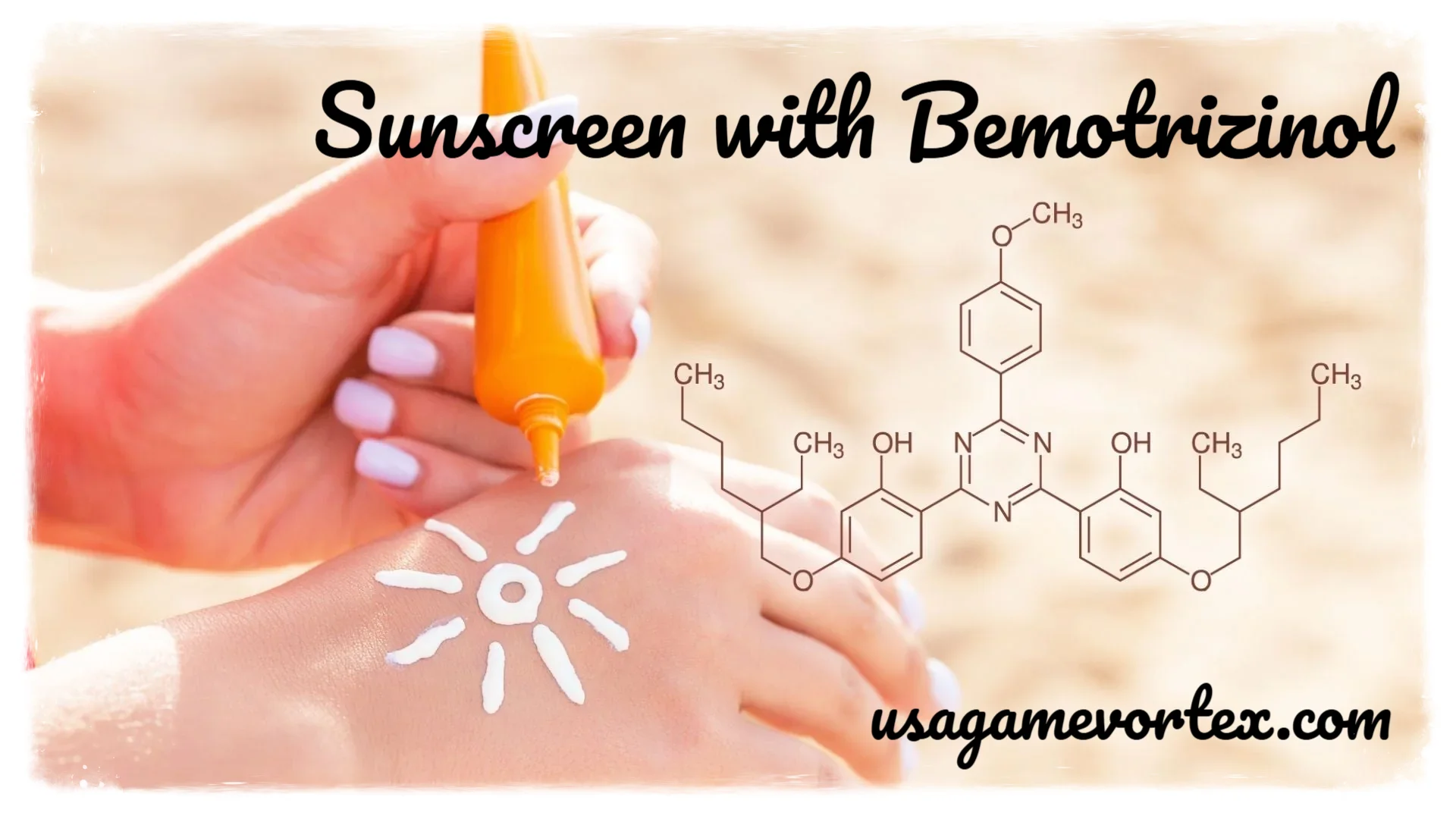
Bemotrizinol sunscreen is an advanced broad-spectrum sunscreen ingredient known for providing strong protection against both UVA and UVB rays. Unlike some older filters, bemotrizinol offers photostable protection, meaning it remains effective longer when exposed to sunlight. Many users are now searching for sunscreens with bemotrizinol because they want lightweight formulas with reliable daily sun protection.
Best Bemotrizinol Sunscreen Brands to Consider
Several bemotrizinol sunscreen brands have gained attention for combining modern UV protection with skin-friendly ingredients. These sunscreens are often included in premium skincare routines because bemotrizinol helps protect skin from sun damage while maintaining a comfortable feel. When choosing a product, look for formulas suitable for your skin type and daily lifestyle.
Where to Buy Sunscreen With Bemotrizinol?
If you are wondering where to buy sunscreen with bemotrizinol, these products are available through various online skincare stores, beauty retailers, and authorized brand websites. Checking product labels and ingredient lists can help you find authentic sunscreen formulas that contain bemotrizinol and meet your sun protection needs.
How Sunscreen with Bemotrizinol Compares to Standard Options
Most sunscreens sold in the United States use avobenzone for UVA protection. Avobenzone is effective, but it is photounstable. It starts breaking down within about an hour of sun exposure unless it is paired with a stabilizer like octocrylene or bemotrizinol itself.
European and Asian sunscreens have long used bemotrizinol because regulators approved it years before the U.S. FDA began reviewing newer filters. That regulatory gap is why you often see American tourists buying Japanese or French sunscreens at specialty stores.
Here is a quick comparison to put things in perspective:
| Filter | UVA Coverage | Photostability | Availability |
|---|---|---|---|
| Avobenzone | Moderate | Low (degrades) | USA, global |
| Zinc Oxide | Good | High | Global |
| Bemotrizinol | Excellent | Very High | Europe, Asia |
| Tinosorb M | Good | High | Europe, Asia |
The table makes the picture clear. Bemotrizinol sits near the top on both protection and stability.
Key Benefits of Using Bemotrizinol Sunscreen
Choosing a sunscreen with bemotrizinol gives you several real advantages. These are not marketing claims. They are backed by published research and clinical use across Europe and Asia.
Broader UVA protection. Bemotrizinol absorbs UVA rays from about 280 nm all the way to 400 nm. This covers both UVA1 and UVA2 rays, giving you more complete protection than many standard filters.
Long-lasting stability. Because it does not degrade under UV light, your sunscreen keeps working throughout the day. You still need to reapply, but the formula itself stays stable.
Synergy with other filters. Formulators love bemotrizinol because it boosts the performance of other ingredients. A sunscreen with bemotrizinol plus a UVB filter often performs better than the sum of its parts.
Elegant texture. Because bemotrizinol is oil-soluble and works at low concentrations, sunscreens that use it often feel lighter and less greasy than older formulas.
Suitable for sensitive skin. Many people who react to fragrance or certain chemical filters find bemotrizinol well-tolerated. It has a strong safety profile in dermatological research.
Who Should Consider a Bemotrizinol Sunscreen?
Almost everyone can benefit, but some people have more compelling reasons to seek it out.
People Focused on Anti-Aging
UVA rays are the primary driver of photoaging. They penetrate glass, clouds, and even some fabrics. If fine lines, dark spots, and loss of skin firmness concern you, you need strong UVA protection. A sunscreen with bemotrizinol gives you that in a reliable, stable form.
Those with Hyperpigmentation or Melasma
UVA exposure triggers melanin production and worsens conditions like melasma. Dermatologists who treat these conditions often recommend filters with the highest possible UVA coverage. Bemotrizinol fits that requirement well.
People Who Spend Long Hours Outdoors
If you work outside, hike, run, or spend hours at the beach, you need a sunscreen that holds up. A photostable formula with bemotrizinol keeps performing even after extended exposure, reducing the risk of uneven protection.
Anyone Transitioning Away from Heavy Formulas
If thick, white-cast sunscreens have made you inconsistent with application, bemotrizinol-based formulas might change that. They tend to be clear, lightweight, and comfortable, which means you are more likely to actually wear them every day.
How to Find Sunscreen with Bemotrizinol
This is the tricky part for people in the United States. The FDA has not yet approved bemotrizinol for use in American sunscreens, despite it being approved in the EU, Canada, Australia, Japan, and South Korea for many years.
That does not mean you cannot get it. Here are your options:
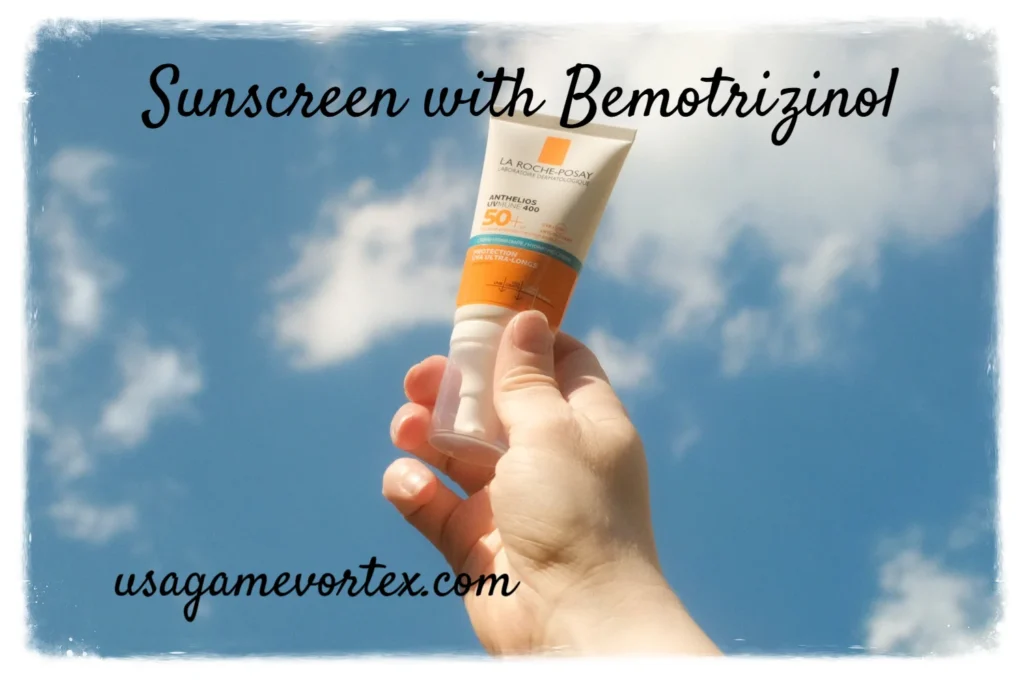
- Buy from international retailers. Many online shops stock European and Japanese sunscreens that contain bemotrizinol. Brands like La Roche-Posay (in its EU formulation), Altruist, and various Korean brands use it.
- Look for the trade name Tinosorb S on ingredient labels. This is the same ingredient. If you see Tinosorb S listed, you are looking at bemotrizinol.
- Check the INCI name. The full INCI name is Bis-Ethylhexyloxyphenol Methoxyphenyl Triazine. It will appear in this format on EU-compliant packaging.
- Visit Korean beauty retailers. The Korean skincare market has embraced bemotrizinol widely, and many K-beauty sunscreens available online use it as a primary or supporting filter.
What to Look For in a Bemotrizinol Sunscreen Formula
Not all bemotrizinol sunscreens are the same. The ingredient is excellent, but the rest of the formula matters too. Here is what to look for:
SPF 30 or higher. SPF 30 blocks about 97% of UVB rays. SPF 50 blocks about 98%. Go no lower than 30 for daily use.
PA+++ or PPD rating. These ratings measure UVA protection. The EU, Japan, and Korea include UVA ratings on packaging. Look for PA+++ or PA++++ for strong UVA defense.
Complementary filters. A good formula pairs bemotrizinol with a UVB filter like octinoxate or homosalate, and sometimes another UVA filter for extra coverage.
Skin-friendly base. Niacinamide, hyaluronic acid, or antioxidants in the base formula add extra skin benefits beyond UV protection.
Water resistance. If you sweat or swim, look for a water-resistant formula. Most European and Asian sunscreens label water resistance in minutes.
Common Myths About Bemotrizinol Sunscreen
There is a lot of confusion around newer UV filters. Let me clear up a few things you might have read online.
Myth: Chemical sunscreens are always harmful. Bemotrizinol has an excellent safety record. It does not absorb into the bloodstream at concerning levels, and it has been studied extensively in Europe for decades. It sits in a different safety category than some older filters currently under FDA review.
Myth: Mineral sunscreens are always better. Zinc oxide and titanium dioxide are excellent, but they leave white casts and tend to feel heavy. Bemotrizinol offers comparable or superior UVA protection in a much more cosmetically appealing formula. The best sunscreen is the one you actually use consistently.
Myth: You only need sunscreen on sunny days. UVA rays penetrate clouds and glass. About 80% of UVA radiation reaches your skin even on overcast days. Daily use of a broad-spectrum sunscreen is recommended by dermatologists year-round.
Myth: Higher SPF means proportionally more protection. SPF 30 blocks 97% of UVB. SPF 50 blocks 98%. The jump seems small, but for people with photosensitivity or a history of skin cancer, that 1% matters. More importantly, focus on UVA coverage alongside SPF number.
How to Apply Bemotrizinol Sunscreen Correctly
Even the best sunscreen fails if you apply it wrong. These steps apply to any sunscreen, including ones with bemotrizinol.
- Apply it last in your skincare routine, after moisturizer and before makeup.
- Use about a quarter teaspoon for your face alone. Most people underapply by 50% or more.
- Apply 15 to 20 minutes before sun exposure for chemical filters to fully activate.
- Reapply every two hours during outdoor activity, or after swimming and sweating.
- Do not forget your neck, ears, and the back of your hands.
I personally switched to a Korean sunscreen with bemotrizinol a while back, and the difference in texture alone made me far more consistent with daily application. That consistency matters more than any single ingredient.
The Future of Bemotrizinol in the U.S. Market
The FDA has been reviewing newer UV filters, including bemotrizinol, under the Sunscreen Innovation Act. Progress has been slow, but there is genuine momentum. Many dermatologists and skincare advocates in the U.S. are pushing for faster approval, citing the strong safety and efficacy data from Europe and Asia.
When bemotrizinol does receive FDA approval, expect a significant shift in the American sunscreen market. Many brands are already planning formulations.
Until then, the international market gives you access to some of the best sun protection available anywhere in the world.
Conclusion
Sunscreen with bemotrizinol represents one of the most significant advances in UV protection over the past two decades. It offers broad-spectrum coverage, photostability, lightweight texture, and a strong safety profile that has been validated across multiple continents.
If you have been relying on an older formula with avobenzone as your sole UVA filter, it is worth exploring what bemotrizinol-based sunscreens can offer. Your skin will benefit, especially if anti-aging, hyperpigmentation, or long outdoor hours are part of your life.
So here is a question worth asking yourself: when did you last check the ingredient list on your sunscreen? The answer might surprise you, and it might just change your skin for the better.
Frequently Asked Questions
1. What is bemotrizinol in sunscreen? Bemotrizinol is a broad-spectrum chemical UV filter that absorbs both UVA and UVB rays. It is highly photostable, meaning it does not break down in sunlight. It is also sold under the trade name Tinosorb S.
2. Is bemotrizinol safe for skin? Yes. Bemotrizinol has been approved and used extensively in Europe, Australia, Canada, and several Asian countries for decades. Research consistently shows it is well-tolerated, does not absorb into the bloodstream at harmful levels, and poses no significant safety risks.
3. Why is bemotrizinol not available in U.S. sunscreens? The FDA classifies sunscreen as an over-the-counter drug, which means new active ingredients require a formal review process. Bemotrizinol is under review but has not yet received final approval. The EU uses a different regulatory framework and approved it years earlier.
4. How does bemotrizinol compare to zinc oxide? Both offer strong broad-spectrum protection. Zinc oxide is a physical blocker with a well-established safety record. Bemotrizinol is a chemical filter with excellent UVA coverage and far better cosmetic elegance. It does not leave a white cast and feels lighter on the skin.
5. Can I use bemotrizinol sunscreen every day? Absolutely. It is suitable for daily use and is especially recommended for people concerned about photoaging, hyperpigmentation, or long-term UV exposure. Apply it every morning regardless of weather.
6. Where can I buy sunscreen with bemotrizinol? You can find it through online international retailers, Korean beauty stores, and European skincare brands. Look for Tinosorb S or Bis-Ethylhexyloxyphenol Methoxyphenyl Triazine on the ingredient list.
7. Does bemotrizinol work better with other filters? Yes. One of bemotrizinol’s known properties is that it stabilizes other UV filters in a formula, particularly avobenzone. It enhances the overall performance of the sunscreen and helps maintain protection over time.
8. Is bemotrizinol good for sensitive skin? Many people with sensitive skin tolerate bemotrizinol well. It does not commonly cause irritation or allergic reactions. However, if you have known sensitivities to UV filters, patch testing before full use is always a good idea.
9. What SPF should I use with a bemotrizinol sunscreen? SPF 30 is the minimum for daily use. SPF 50 is better for extended outdoor time, outdoor sports, or if you have fair skin or a history of skin cancer. Pair SPF with a high UVA rating like PA+++ or PA++++ for complete protection.
10. Can bemotrizinol sunscreen replace moisturizer? Some formulas include moisturizing ingredients, but sunscreen should not fully replace your moisturizer. Apply moisturizer first, let it absorb, then apply sunscreen as the final step before makeup.
also read: usagamevortex.com
email: johanharwen@314gmail.com
Author Name: Sarah Malik
About the Author : Sarah Malik is a certified skincare writer and researcher with over seven years of experience covering dermatology, cosmetic ingredients, and evidence-based skincare. She has written for leading health and beauty publications and is passionate about making complex skincare science accessible and practical for everyday readers. When she is not writing, she is testing new formulations and staying updated on the latest clinical research in photoprotection.
