

Introduction
You probably know someone who hates spending money, even when they clearly can afford to. Maybe they reuse tea bags three times or refuse to turn on the heater in winter. That person might be a miser. So what is a miser exactly, and where does this behavior come from? A miser is someone who hoards money out of habit or fear, not necessity, and often finds real joy in saving rather than spending.
This article breaks down everything you need to know about misers. You will learn where the word comes from, what traits define this personality type, and how misers show up in history, literature, and everyday life. You will also see how being a miser differs from simply being frugal, and why the two get confused so often. By the end, you will understand this fascinating and sometimes misunderstood trait completely.
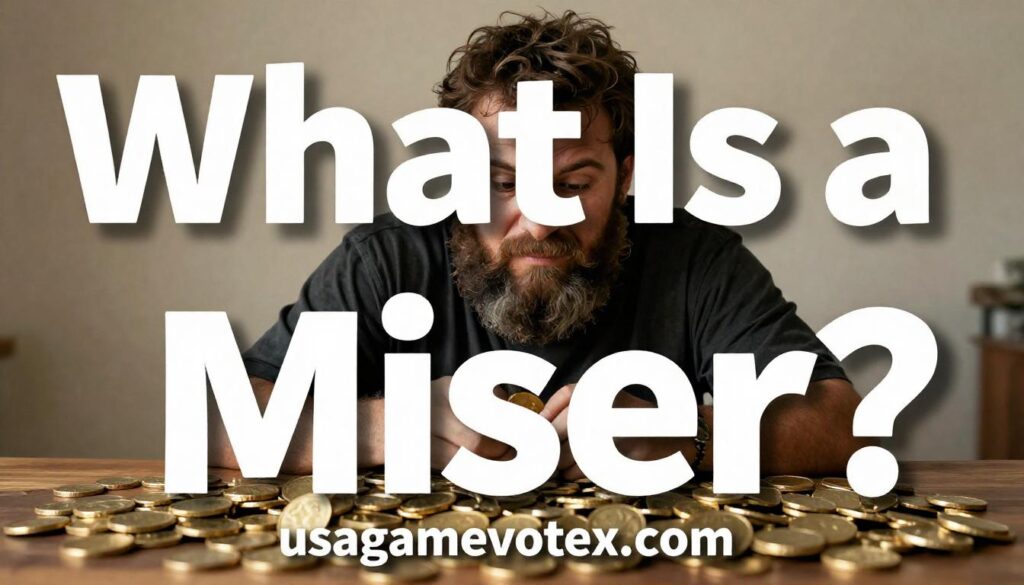
What Is a Miser? A Simple Definition
A miser is a person who avoids spending money whenever possible, even on things they genuinely need. They often live far below their means despite having enough wealth to live comfortably. The word carries a slightly negative tone because it suggests an unhealthy attachment to money rather than a smart financial habit.
You will notice misers rarely spend on comfort, enjoyment, or generosity. Their focus stays fixed on accumulating and protecting what they already have. This makes the term different from someone who simply budgets carefully or shops for deals.
Key Traits of a Miser
Here are the most common signs that someone fits this description:
- They save money obsessively, even in small everyday choices
- They feel anxious or guilty about spending, even on necessities
- They rarely donate or give gifts
- They often hide their true wealth from others
- They prioritize saving over comfort or health
Where Does the Word Miser Come From?
The word miser comes from the Latin word “miser,” which actually means miserable or wretched. That origin tells you a lot about how society has always viewed this behavior. Centuries ago, people who hoarded wealth while living in poor conditions were seen as pitiable rather than wise.
Interestingly, the word has stayed almost unchanged since it entered English in the 16th century. Writers and moralists back then used it to criticize greed disguised as thrift. That negative undertone still exists today, even though modern personal finance sometimes blurs the line between saving wisely and hoarding out of fear. Source: Reddit
Miser vs Frugal Person: What Is the Real Difference?
People often confuse misers with frugal individuals, but the two are not the same. Understanding this difference helps you see why the term carries such a strong meaning.
A frugal person spends carefully but still enjoys life. They look for value, avoid waste, and save with a purpose, like retirement or a big goal. A miser, on the other hand, saves compulsively and often refuses to spend even when it hurts their quality of life or relationships.
Think of it this way. A frugal person chooses a cheaper flight and enjoys the trip. A miser skips the trip entirely, even though they can afford it, because spending itself feels painful.
Famous Misers in History and Literature
Misers show up again and again in stories because their behavior fascinates readers. These characters and real people help illustrate the concept clearly.
Fictional Misers
- Ebenezer Scrooge from Charles Dickens’ “A Christmas Carol” remains the most iconic miser in literature. His transformation from a cold hearted hoarder to a generous man became a timeless lesson about money and happiness.
- Harpagon from Molière’s play “The Miser” represents obsessive greed taken to a comedic extreme, showing how far this trait can distort relationships.
Real Life Examples
History also includes real people known for extreme frugality despite massive wealth. Several wealthy industrialists and eccentric millionaires became famous for living modestly while sitting on fortunes. These stories often surprise people because they challenge the assumption that wealth automatically leads to comfort or generosity. usagamevortex.com
The Psychology Behind Being a Miser
Understanding what drives this behavior helps explain why some people become misers even without financial pressure.
Psychologists often link extreme hoarding of money to deep seated fear, past trauma, or anxiety about scarcity. Someone who grew up poor may develop lifelong habits of saving, even after achieving financial security. In some cases, this behavior connects to obsessive compulsive tendencies or a need for control.
I find this angle especially interesting because it shows that misers are not simply greedy people. Many genuinely believe that spending puts them at risk, even when logic says otherwise. This emotional root is what separates a miser from someone who just prefers a minimalist lifestyle.
How Being a Miser Affects Relationships
Money habits shape relationships more than people expect, and miserly behavior often creates tension at home and at work.
Partners of misers frequently report feeling frustrated or unappreciated, especially when basic comforts get denied for no real reason. Friends may notice a miser never offers to split a bill fairly or contribute to group gifts. Over time, this can create distance, resentment, and a sense of imbalance in personal connections.
If you recognize these patterns in yourself or someone close to you, open communication about money usually helps more than criticism.
Misers in Pop Culture and Media
Modern television, movies, and social media continue to keep this personality type alive in public conversation. Reality shows about extreme couponing or hoarding often spark debates about where frugality ends and miserly behavior begins.
Online, personal finance communities frequently discuss the line between smart saving and unhealthy hoarding. This ongoing conversation shows that the idea of a miser still resonates strongly, even in a world focused on financial independence and minimalism.
Interesting Facts About Misers
- The word miser has stayed nearly identical in meaning for over 500 years
- Some historical misers left behind massive fortunes despite living in poverty
- Psychologists sometimes link extreme miserliness to anxiety disorders
- Many famous misers were known to be highly intelligent and successful in business
- The opposite of a miser is often called a spendthrift, someone who overspends easily
Conclusion
So what is a miser, really? It is someone whose relationship with money goes beyond careful saving and turns into a source of fear, control, or emotional comfort. While saving money is a smart habit, true miserly behavior often costs people more in relationships and quality of life than it ever saves them financially.
If this article helped you understand the concept better, share it with someone who loves a good personality deep dive. And if you recognize a few of these traits in yourself, maybe it is time to loosen the grip just a little. usagamevortex.com
FAQs
What is a miser in simple words? A miser is a person who avoids spending money even when they can afford to, often out of fear or habit rather than necessity.
Is being a miser a bad thing? It can negatively affect relationships and personal wellbeing, even though the person may have good intentions about saving money.
What is the difference between a miser and a saver? A saver sets money aside with a clear goal, while a miser hoards money compulsively, often without a specific purpose.
What causes someone to become a miser? Psychological factors like past financial trauma, anxiety, or a deep fear of scarcity often drive this behavior.
Who is a famous example of a miser? Ebenezer Scrooge from “A Christmas Carol” remains the most well known fictional example of a miser.
Is miser a rude word to use? The word carries a negative tone, so it is best used carefully and respectfully when describing someone’s habits.
Can a miser change their behavior? Yes, many people shift their money habits over time, especially with self awareness or professional support.
What is the opposite of a miser? The opposite is often called a spendthrift, someone who spends money freely and sometimes excessively.
Read More………………
About the Author
Written by a content specialist who covers personal finance, vocabulary, and everyday psychology topics. Passionate about breaking down complex ideas into clear, relatable language that helps readers understand themselves and the world a little better.
Image Descriptions
- Header Image:
- Body Image 1: An illustration of an old fashioned piggy bank locked with a chain, representing hoarding behavior.
- Body Image 2: A black and white style portrait sketch inspired by a classic literary miser character, seated beside a small candle in a dim room.
- Body Image 3: A simple infographic style graphic comparing “Frugal” and “Miser” traits side by side.